Work / UX design
MedRi.io
A medication reminder app, designed with older users in mind


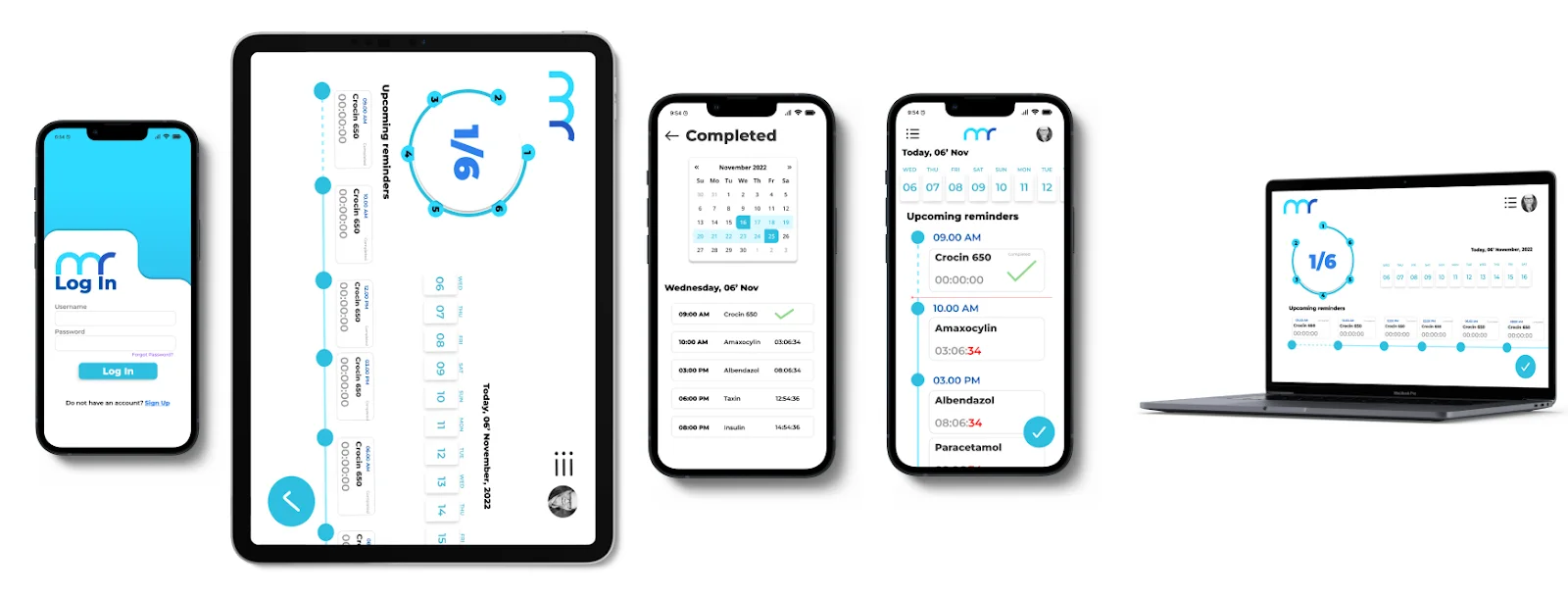
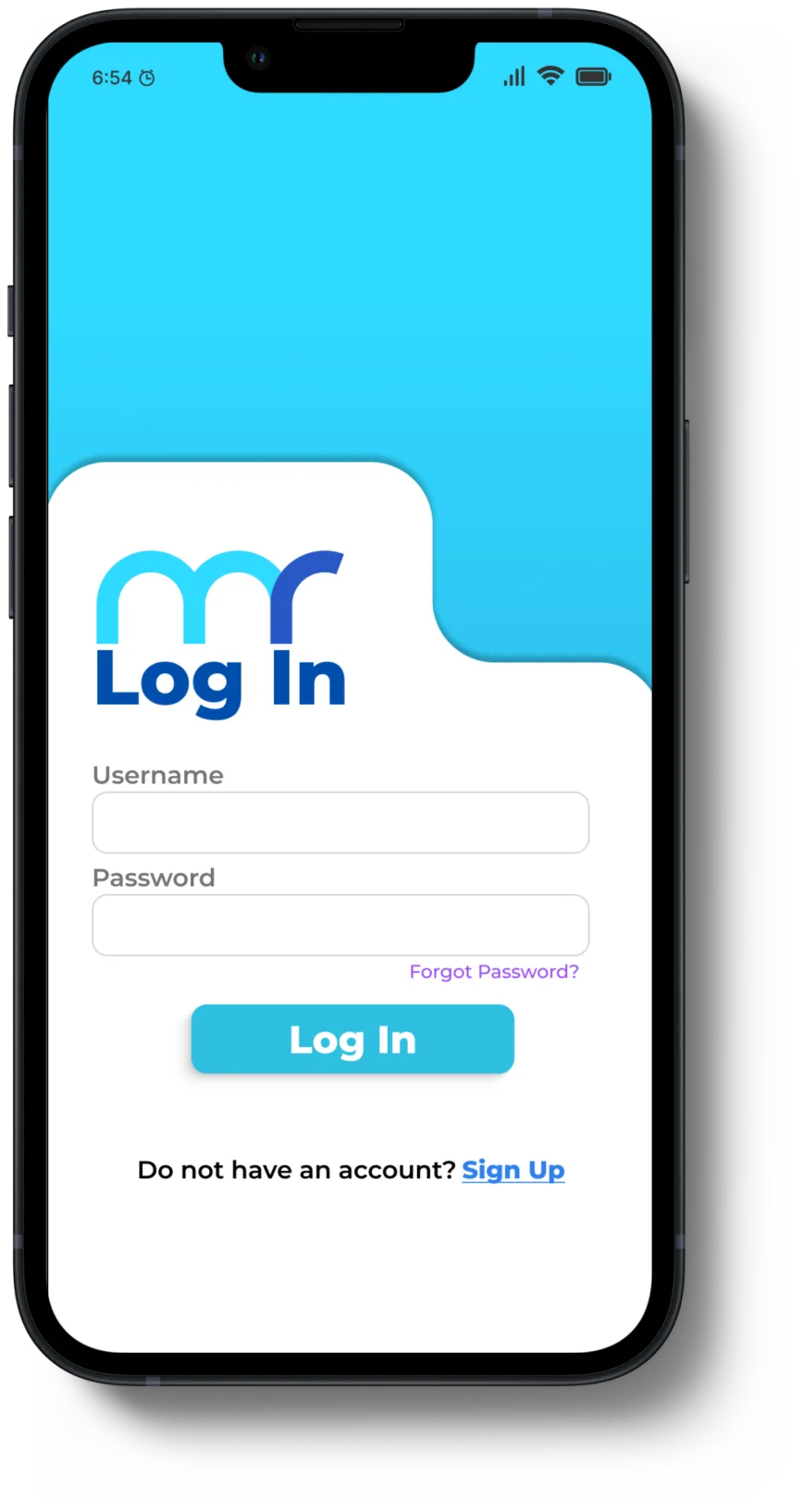
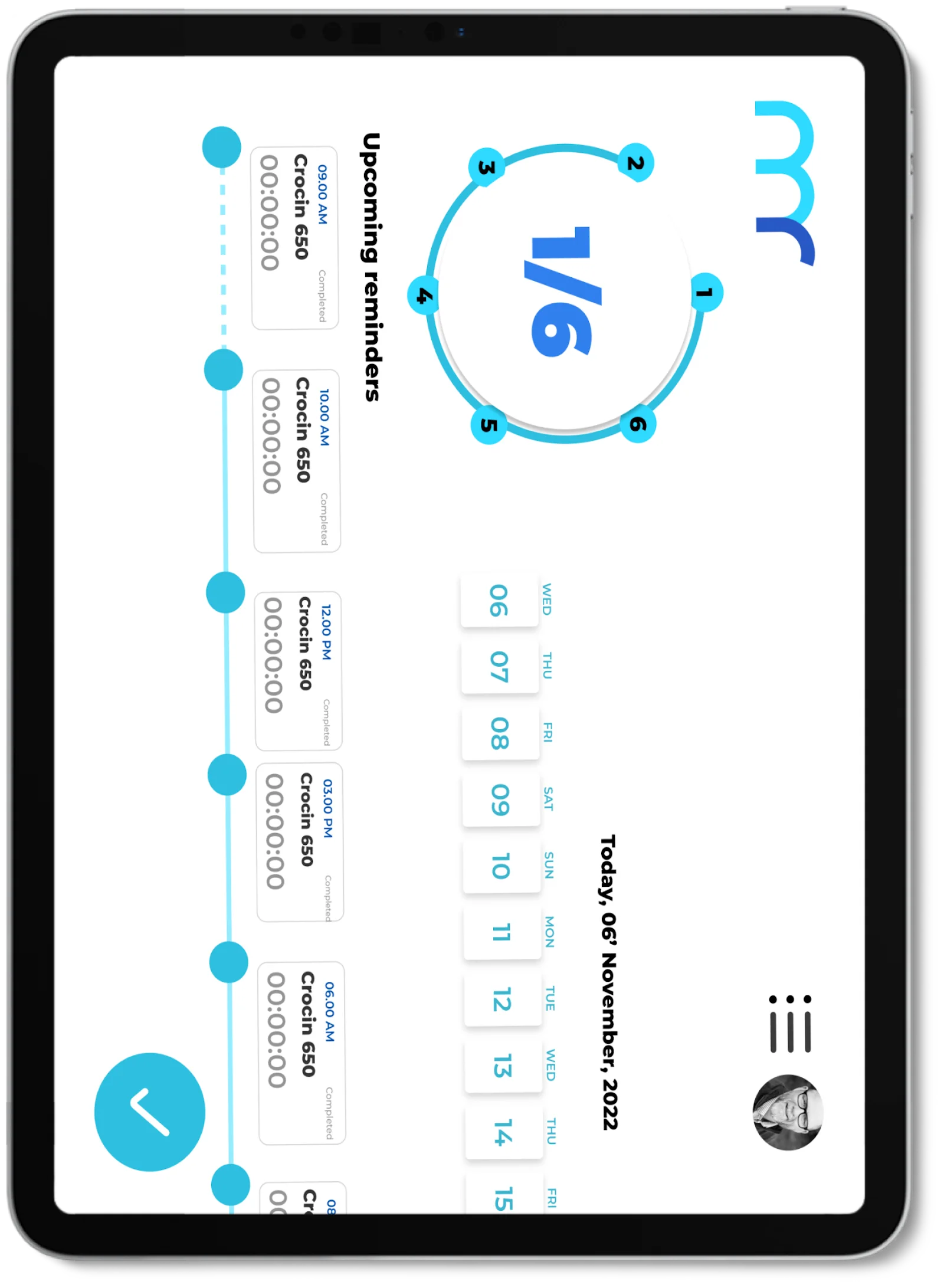
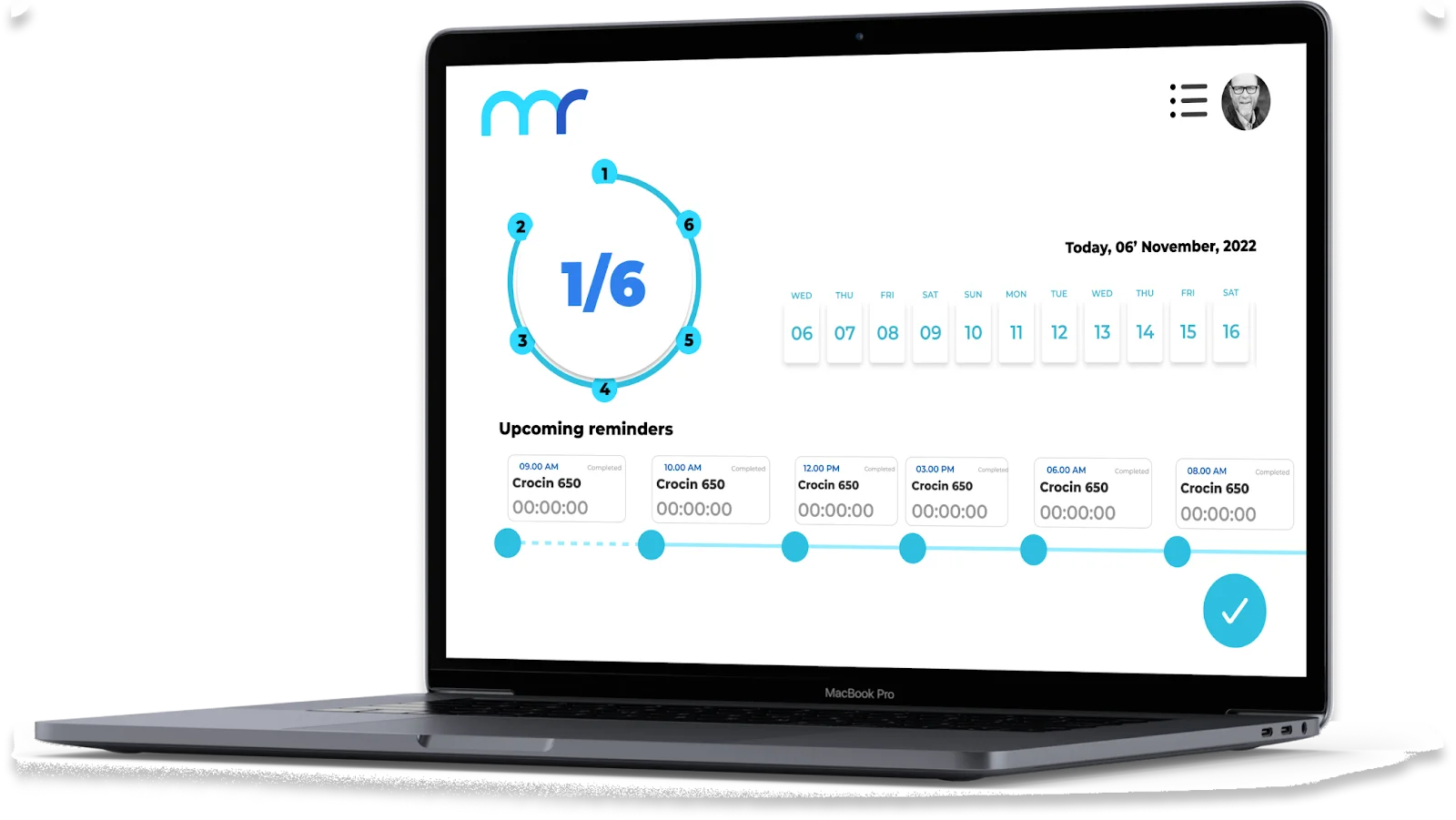
This case study presents the development of a MedRi.io , a mobile application designed to assist individuals in effectively managing their medication schedules, enhancing medication adherence, and improving overall health outcomes. The project aimed to provide a user-friendly interface, customizable reminders, medication tracking, refill notifications, and integration with wearable devices for added convenience.
My role: UX designer designing an app for MedRi.io app from conception to delivery.
The Problem
Many people face difficulties in managing their medication schedules and remembering to take their medications on time. Existing manual methods of tracking and reminders are often unreliable and prone to errors, leading to missed doses and potential health risks. There is a need for a user-friendly medication reminder app that addresses these challenges and provides a seamless user experience.
The Goal
To design a medication reminder app that empowers users to effortlessly manage their medication schedules, improve adherence, and enhance overall health outcomes. The app should offer customizable reminders, medication tracking, and refill notifications to ensure timely and consistent intake of medications. By providing a seamless and intuitive user experience, the goal is to support users in effectively managing their medications, reducing the risk of missed doses, and enhancing their overall well-being
User Research Summary
The user research conducted for the project aimed to gain insights into the needs, challenges, and expectations of individuals managing their medication schedules. Through interviews and surveys, a diverse range of users was engaged, including individuals of different ages, health conditions, and medication regimens. The research revealed common pain points and user preferences, informing the design and development of the app.
Research provided some constraints, concerns and problems that users were facing
Forgetting Medication Schedule
Users expressed struggles in remembering the exact timing and dosage of their medications. Many mentioned relying on memory or setting manual reminders, which were often forgettable or easily dismissed.
Medication Adherence Challenges
Some users admitted to experiencing difficulties in adhering to their prescribed medication schedules. Factors such as forgetfulness, busy lifestyles, and complex medication regimens contributed to missed or delayed doses, affecting their overall health outcomes.
Lack of Personalization and Flexibility
Users desired more flexibility and personalization in setting medication reminders. They expressed the need for customizable reminder tones, the ability to choose different reminder frequencies (e.g., daily, weekly), and options to set reminders based on specific conditions (e.g., before meals).
Tracking Medication History
Users expressed frustration with tracking their medication history accurately. They struggled to remember the last dose taken or experienced challenges in communicating their medication history to healthcare providers during appointments, leading to potential misunderstandings and inaccuracies in their medical records.
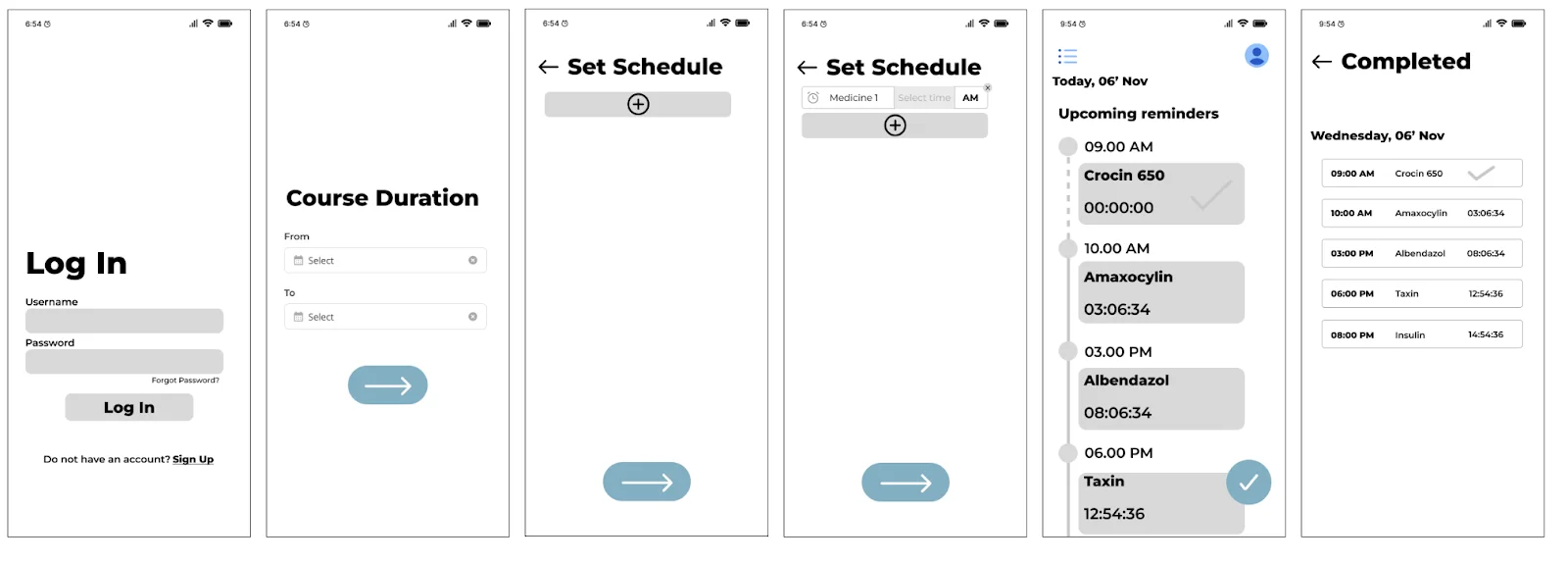
Wireframes and initial low fidelity prototype
After Usability Test
These usability test findings will help identify specific areas for improvement and guide the iterative design process, ensuring that the App becomes more user-friendly, intuitive, and effective in supporting users' medication adherence and management.
Navigation and Onboarding: Users encounter difficulties during the onboarding process, such as understanding the app's features and how to set up reminders. They may struggle with navigating through different screens or finding specific settings and options.
Reminder Setup and Customization: Users face challenges while setting up reminders, such as selecting the correct medication, dosage, and scheduling frequency. They may express the need for more customization options, such as the ability to choose different reminder tones or set reminders based on specific conditions
Medication Tracking: Users have difficulties in tracking their medication history within the app. They might find it challenging to record when they last took their medication or encounter issues with accurately updating their medication history.
Overall User Satisfaction: Users' overall satisfaction with the app, its usability, and its ability to meet their medication management needs will be assessed. They may provide insights into their likelihood to continue using the app and recommend it to others.
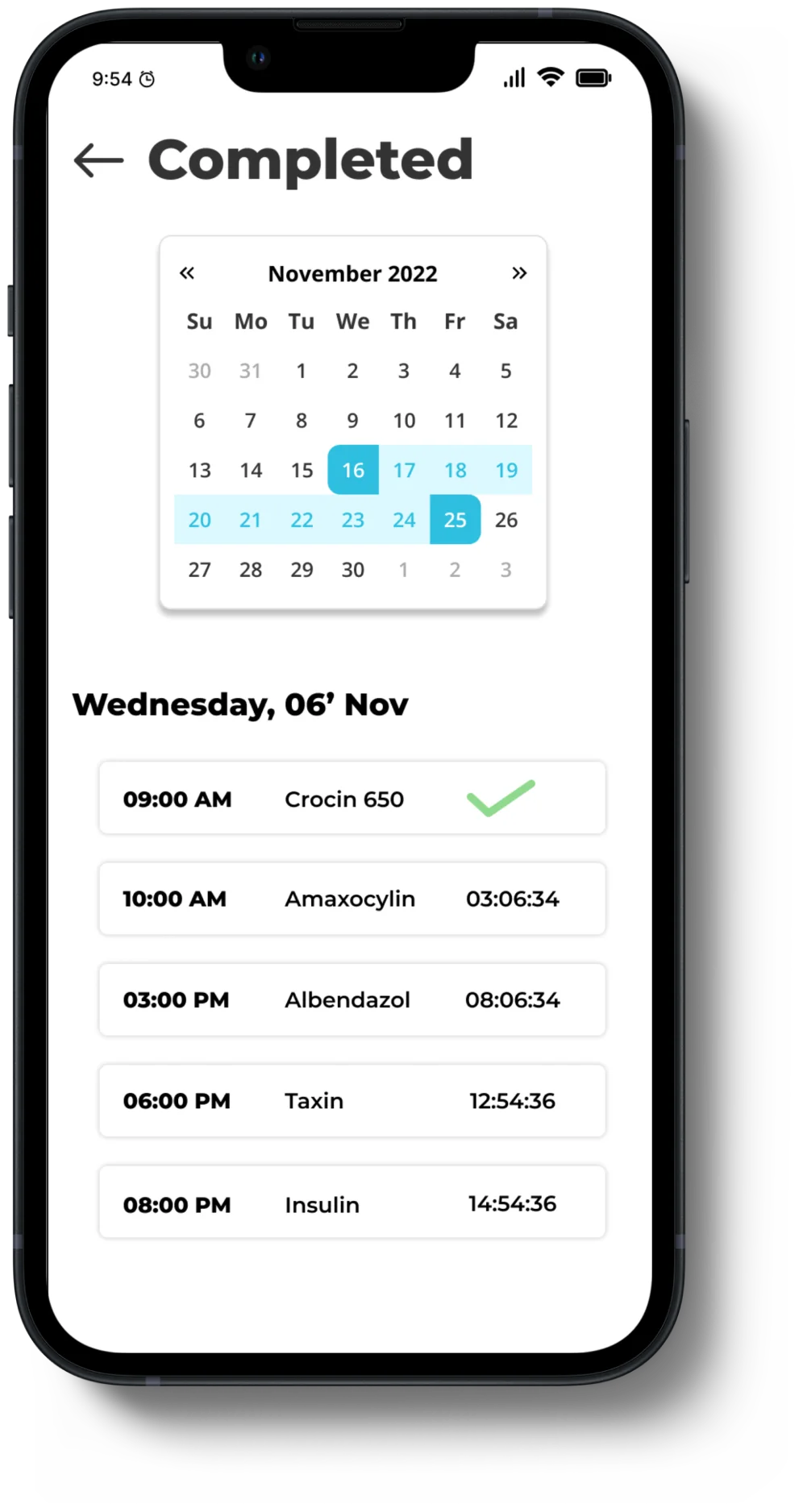
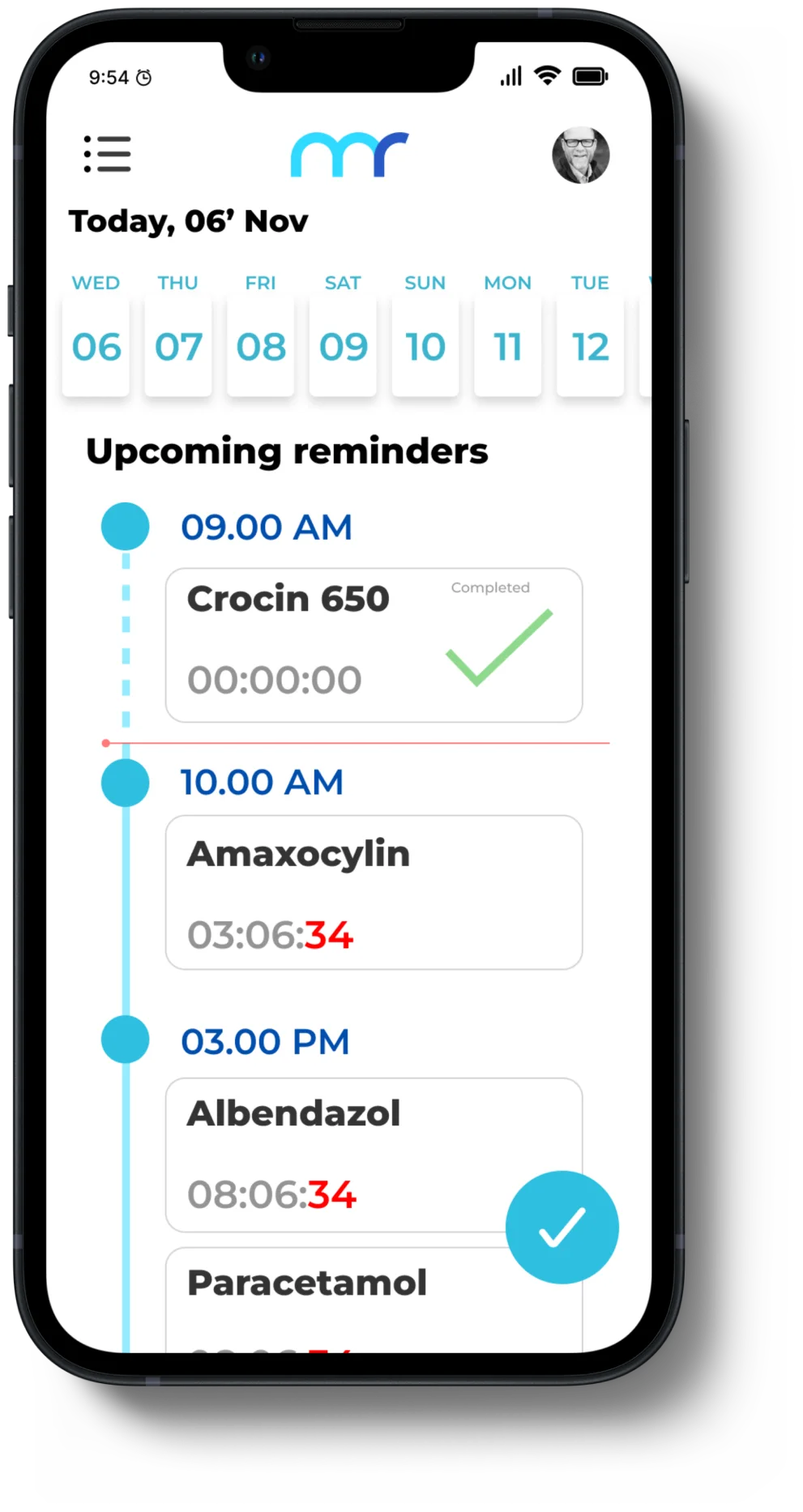
Mockups and High fidelity prototype