Work / Graphic design
Tic Tac Repositioning
Two ways to reposition Tic Tac: one loud, a meme brand for people who are always online; one quiet, the mint you reach for before you start a conversation.
The brief
same box, new reason to buy it
A repositioning exercise for Design Branding Studio at Sapienza, for Prof. Alessandro Sciortino and Prof. Laura Minestroni. I mapped where Tic Tac sits against other mints and candy, found the empty spaces, and built two complete routes into them: a positioning statement, perceptual maps, brand attributes, a campaign and an activation for each.
Route 1
Positioning 1
To digitally native, chronically online, and stress-laughing adults, Tic Tac is the ultimate pocket-sized dopamine machine and behavioral flex asset that provides a micro-dose of playful chaos and casual refreshment, because it is the only mint that values a good laugh and a satisfying "click-clack" noise over stuffy corporate perfection.
The gap
No mint or candy brand owns the sarcastic, habit-driven corner. Mints sell freshness and confidence; repositioned, Tic Tac sits there alone.
The second map plots attitude: from people-pleasing to too cool to care. Instead of selling social perfection, Tic Tac becomes the unbothered, witty friend who laughs at the small stuff, like hoarding the last three mints or rattling the box as an escape cue.
Brand attributes
Tic Tac, repositionedOrbit
- Meme and viral potential
- Short-form video fit
- Sarcastic brand tone
- Fidget habit
- Social sharing ritual
- Internet culture relevance
- Anti-corporate energy
- Sensory identity (the click)
- Collectibility, limited editions
- User-generated content potential
Scores are my own estimates from personal experience and brand research, not survey data.
Problem, insight, solution
Problem
Tic Tac has been culturally quiet for over four years: invisible to Gen Z, absent from social media, and filed next to serious breath-fix mints like Altoids and Ice Breakers. It holds no real place in the internet's attention economy.
One corner of the market is empty: a sarcastic tone combined with eating it just for the habit. No mint owns it. Every competitor is too earnest, too corporate or too candy-brained to take it.
Insight
Nobody shakes an Altoids tin on TikTok. The Tic Tac box already has a click-clack that works as ASMR, already doubles as a fidget object, already feels internet-native. Its biggest untapped asset isn't the mint, it's the rattle.
Chronically online people don't just eat snacks; they perform them, narrate them and share them. Tic Tac has the most shareable object in the category and does nothing with it.
Solution
Stop selling freshness. Start selling the flex of being deliberately unserious: the only mint that sees the value in doing things for no good reason.
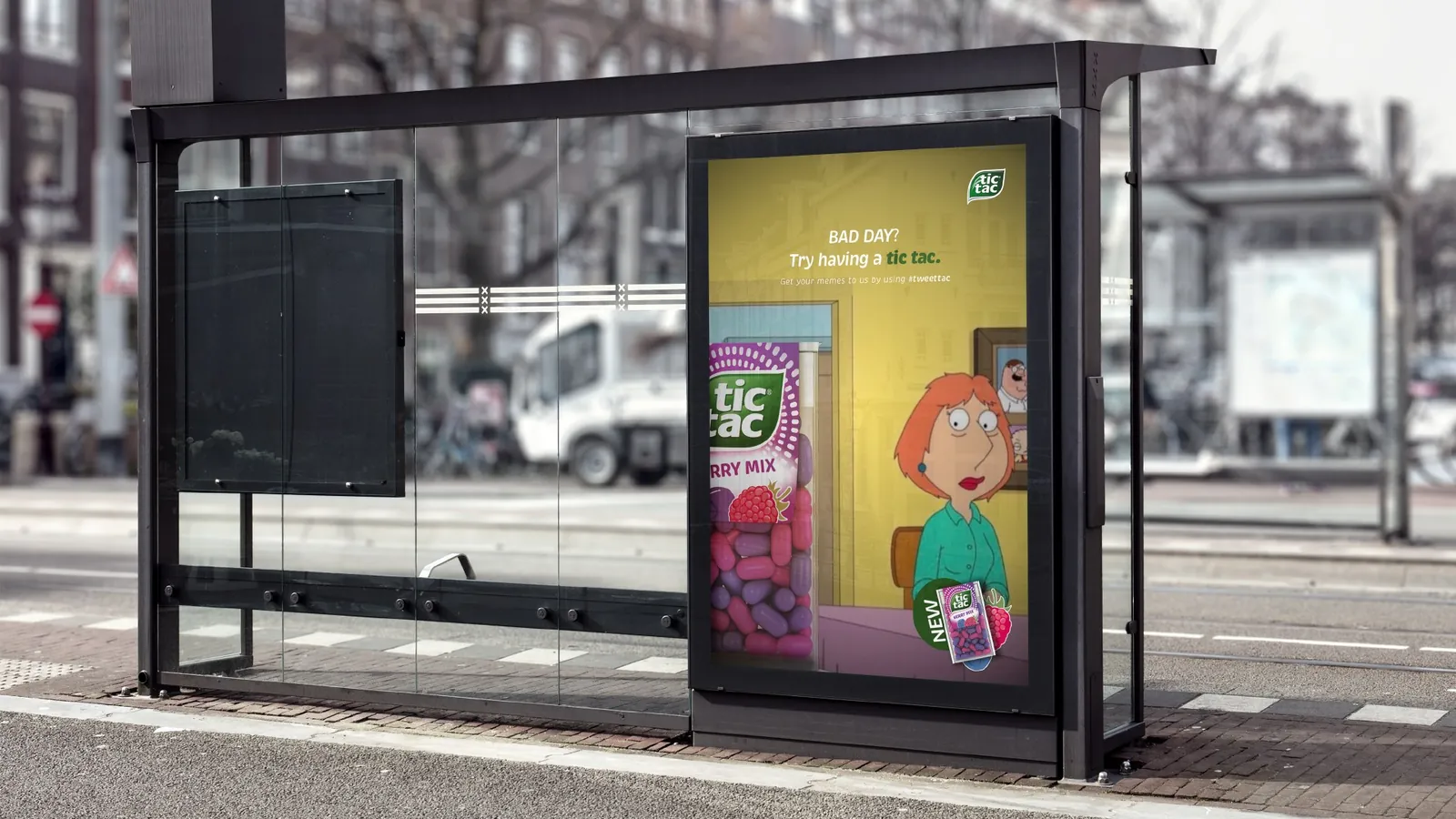
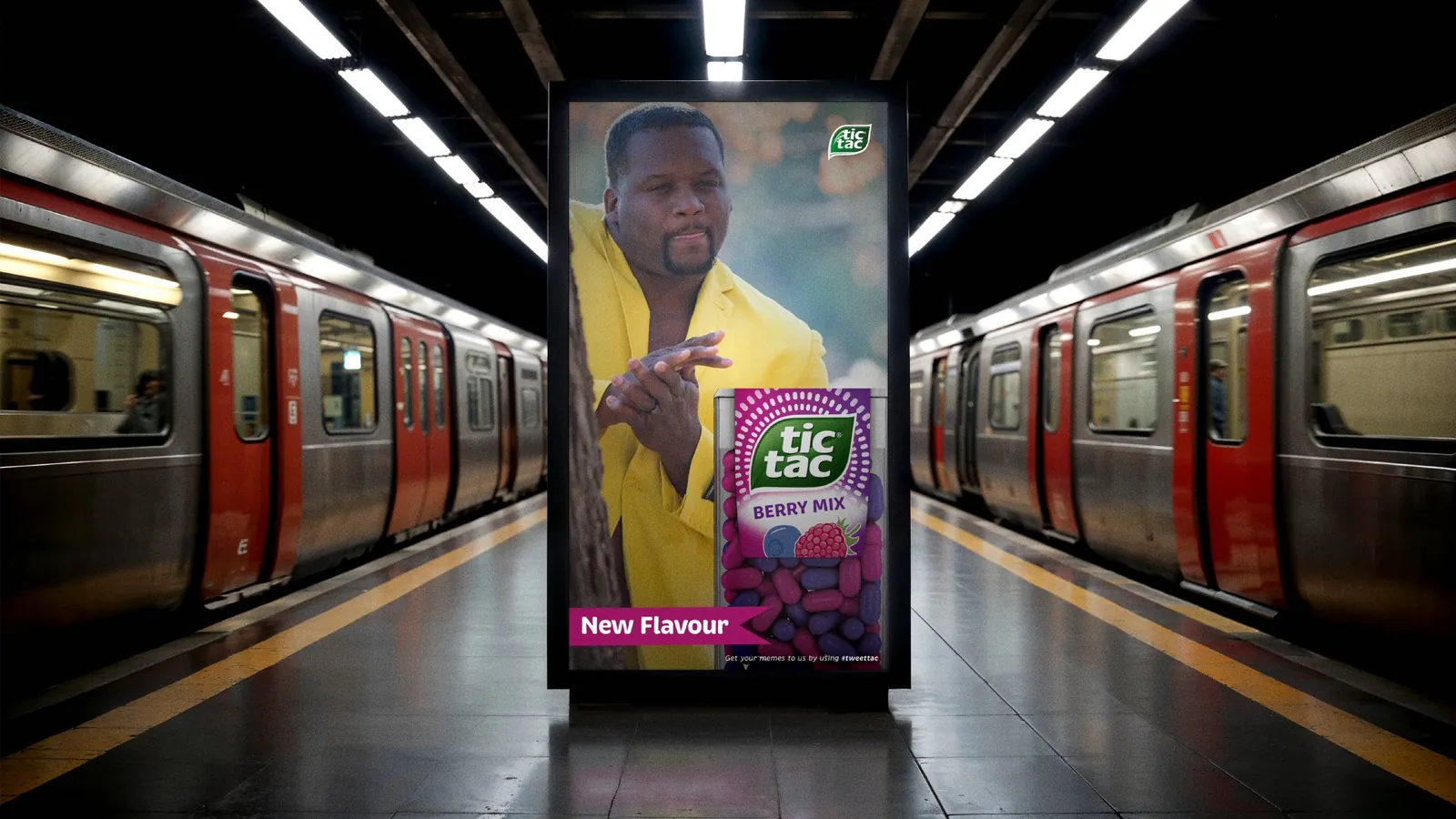
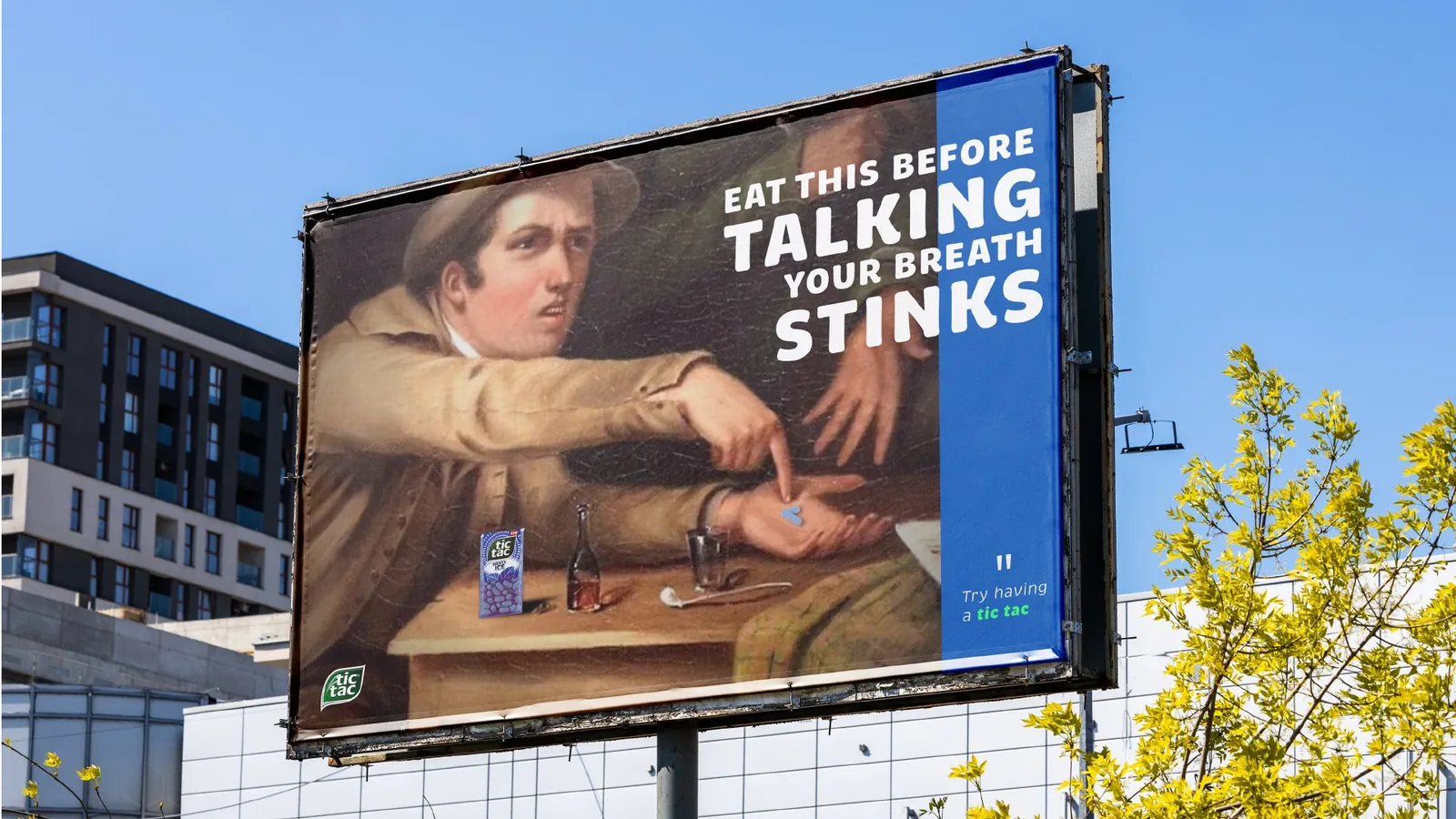
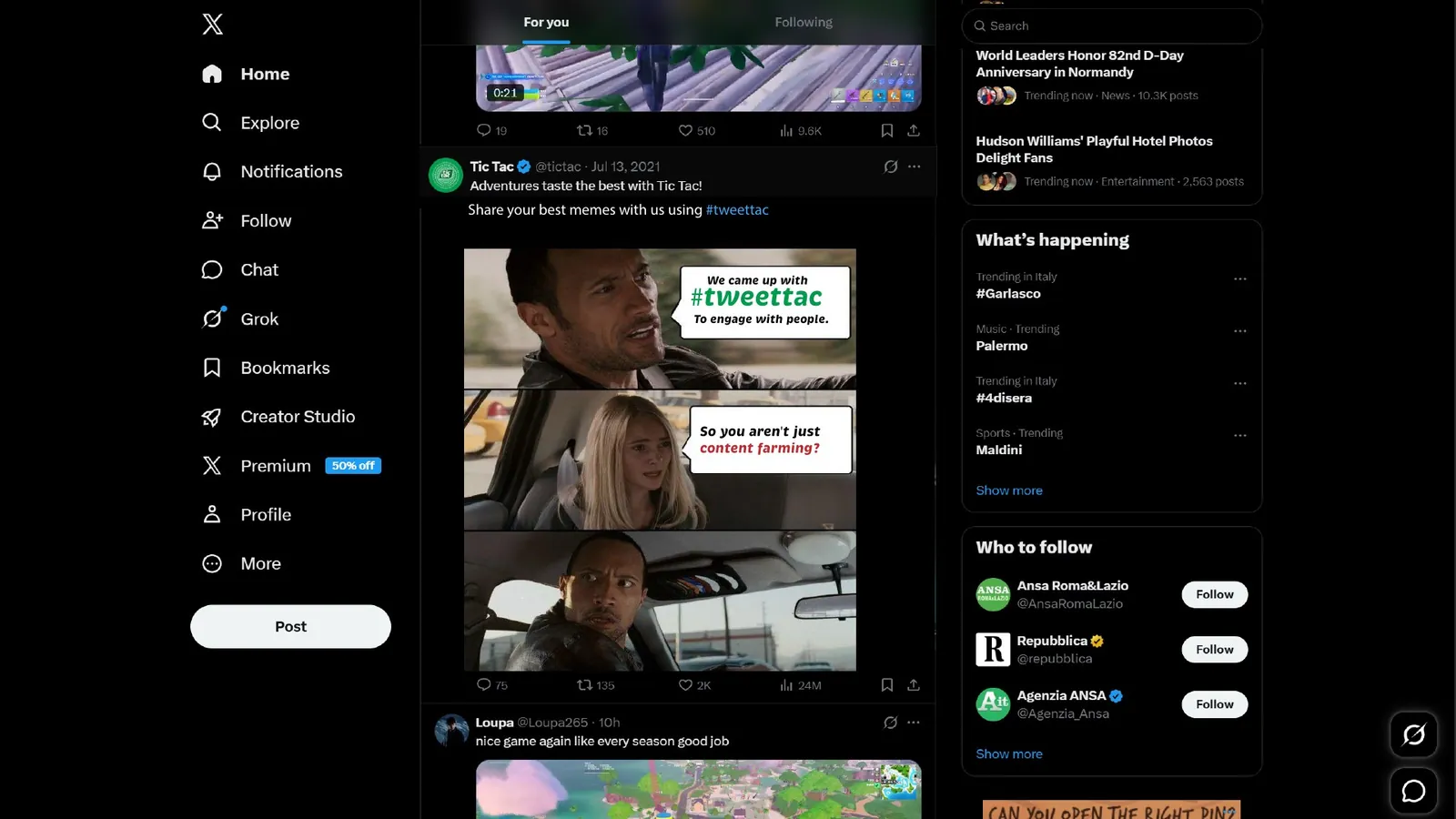
#tweettac makes the internet the creative team. People make the content and the funniest memes become official Tic Tac posters. Every competitor is earnest; Tic Tac wins by being in on the joke.
Campaign: having Tic Tac
A campaign built on memes and current affairs, mixing humour and nostalgia. Tic Tac hadn't posted in four years, so it's a fresh start aimed at people who live on their phones.
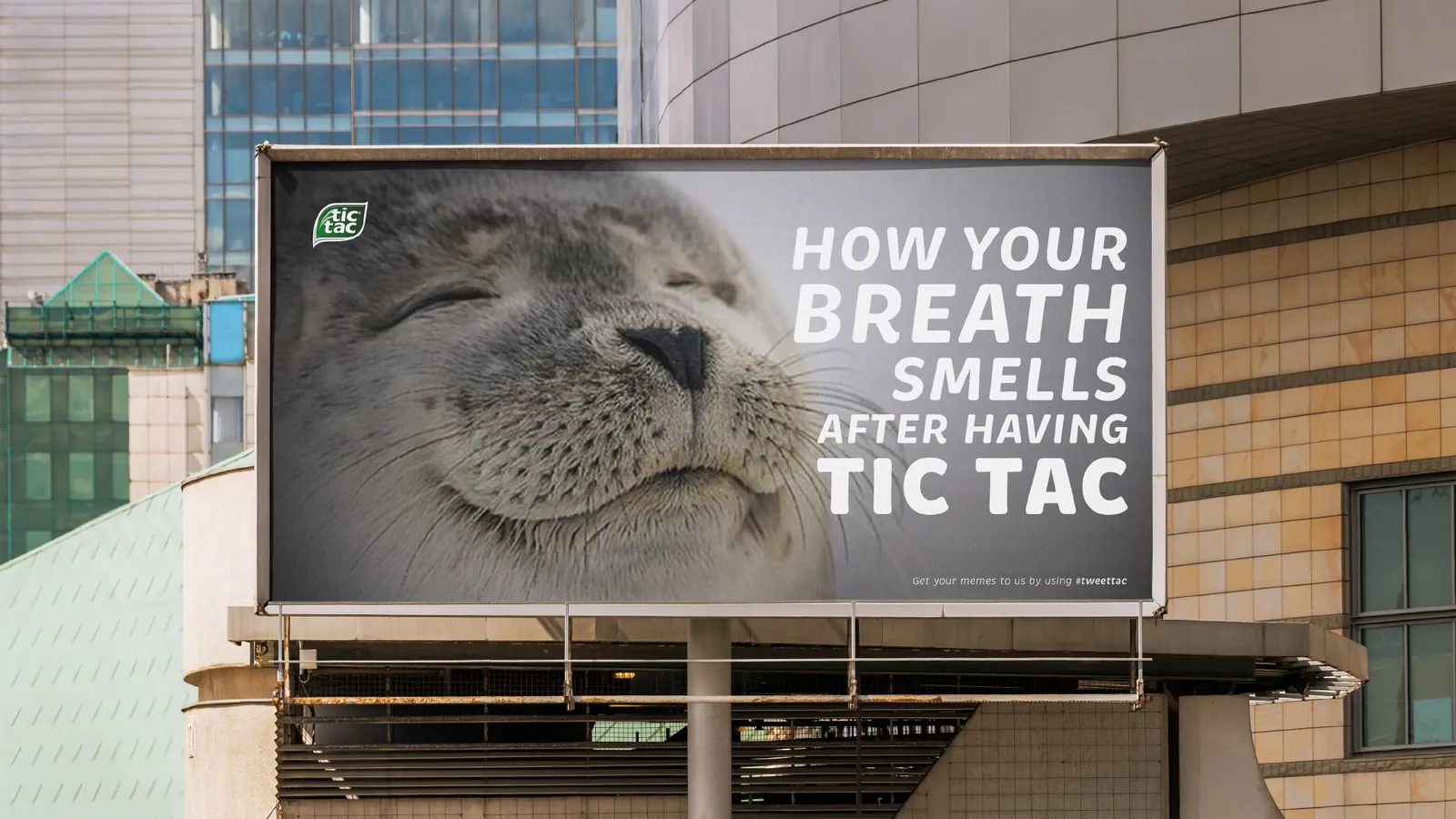
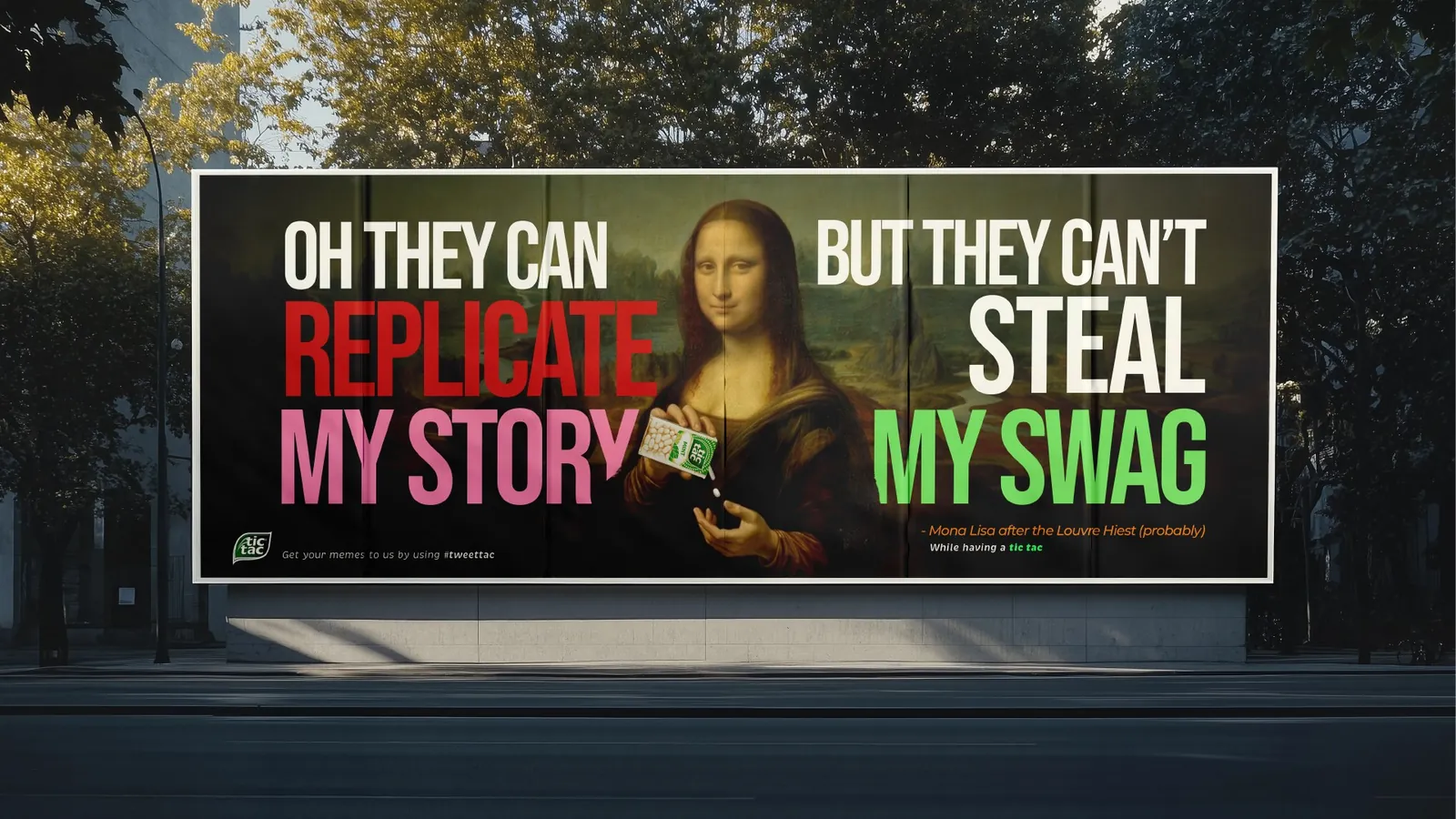
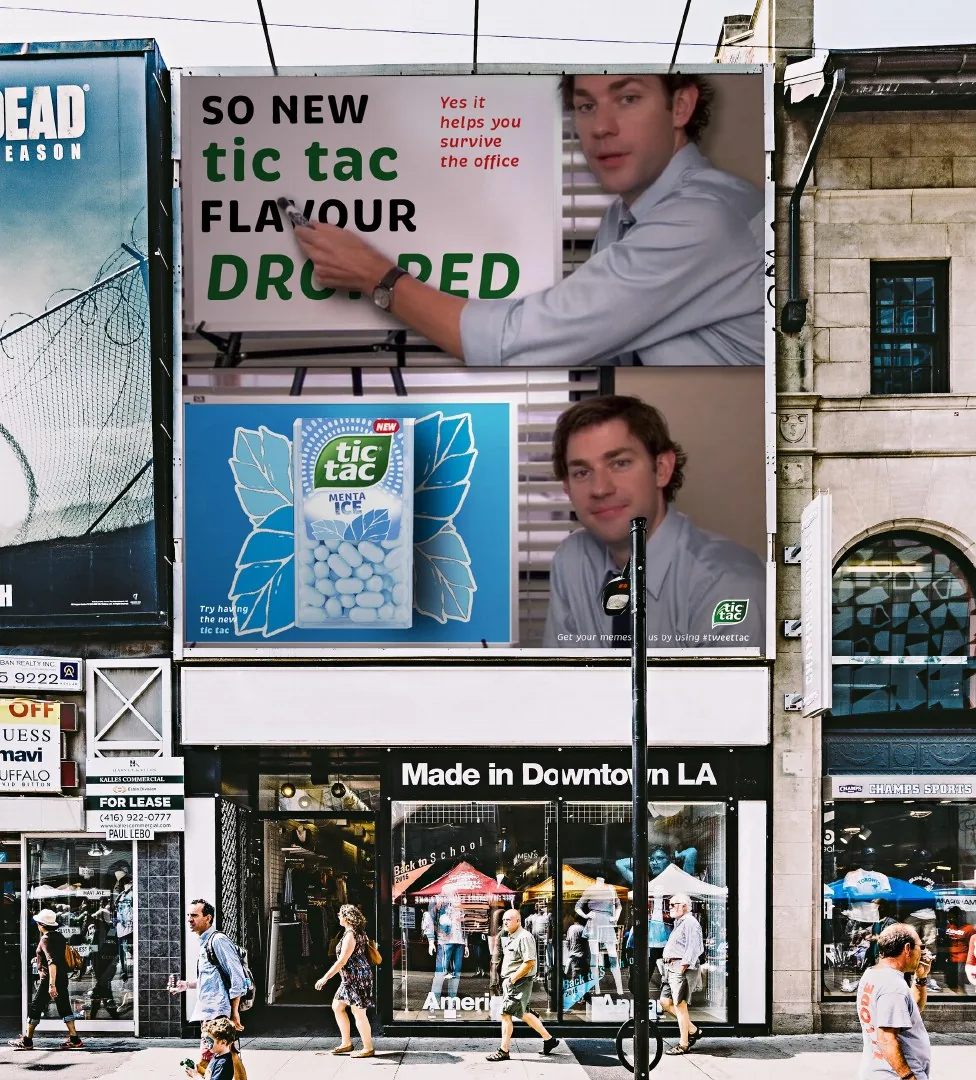
Pros and cons
- Pro
- Pop-culture humour and crowdsourced #tweettac memes bring viral, low-cost engagement, and the brand can react to internet trends in real time.
- Con
- Meme templates, famous faces and an open hashtag bring licensing headaches and leave room for trolls to hijack the brand.
- Fix
- Skip celebrity likenesses, or bring them in as sponsors, so the campaign can run safely and reach further. After four quiet years it's a fresh start, aimed at people who live on their phones.
#tweettac
People make their own Tic Tac memes and post them with #tweettac. The funniest become posters or get featured on Tic Tac's own page: low cost, and quick to react to whatever the internet is laughing at that week.
Market opportunities
Unowned digital territory
No mint brand holds the meme-coded, internet-native space. The sarcastic, just-for-the-habit corner is empty, and earnest freshness brands can't move into it without wrecking what they've built.
Sensory content
The click-clack is ready-made ASMR. Sensory content costs almost nothing to make and gets rewatched and reposted. The box was designed for this format long before it existed; the job is to point a camera at it.
People as the creative team
Crowdsourced work usually costs less and engages more than a traditional campaign. #tweettac turns customers into the creative department and keeps the brand reacting to trends as they happen.
Snacks as identity
Gen Z uses small everyday things as personality signals: what you carry, rattle and share on camera says who you are. The Tic Tac box is already the most recognisable shape in the category.
A comeback moment
Four years of silence make a return feel like an event rather than a routine post. A brand only gets that kind of comeback once, and Tic Tac can have it now.
Content that sells at the till
Viral sensory content turns into impulse buys at the checkout, where Tic Tac already sits: a cheap impulse object that looks great on camera.
Route 2
Positioning 2
To adults aged 18–55 living in a world that has quietly replaced conversation with scrolling, where the phone call became a text, the dinner became a scroll, and the relationship became a reaction. Tic Tac is the pocket-sized act of beginning, the ritual that turns the two seconds before you open your mouth into the moment you actually do, because it is the only mint that understands you don't reach for it to fix your breath, you reach for it to fix the silence, and that the click of the box opening is already the first word.
The gap
The personal-ritual corner is held only by clinical products like Nicorette and Listerine strips. Tic Tac walks in alone, the one brand that treats a private moment as warm and human, not pharmaceutical.
On the second map Tic Tac moves from comfort habit to identity prop: a small object with emotional depth that means something at every age, without leaning on nostalgia or candy chaos like Pez, Skittles or Haribo.
Brand attributes
Tic Tac, repositionedNicorette
- Ritual before the moment
- Emotional warmth
- Cultural identity
- Deliberate purchase
- Owning a private moment
- Appeal across generations
- Starts conversations
- Playful personality
- Brand warmth
- Helps people connect
Scores are my own estimates from personal experience and brand research, not survey data.
Problem, insight, solution
Problem
Every mint brand sells breath. Nobody owns the moment before it matters. Conversation has quietly been replaced by scrolling: the call became a text, the dinner became a scroll.
No mint or candy brand has noticed what mints are really used for: the two seconds before you open your mouth to say something that counts. Being the conversation starter is a blank space in the market.
Insight
Nobody reaches for a Tic Tac because their breath is failing. They reach for it right before they speak: before the interview, the introduction, the question they're nervous about.
The click of the box opening is already the first word. Anyone who has offered a Tic Tac to a stranger has started a conversation. It isn't a mint; it's a pocket-sized permission to begin.
Solution
Reposition Tic Tac as the only brand that lives in the private moment before a connection happens: warm, playful and emotional in a way no clinical mint can match.
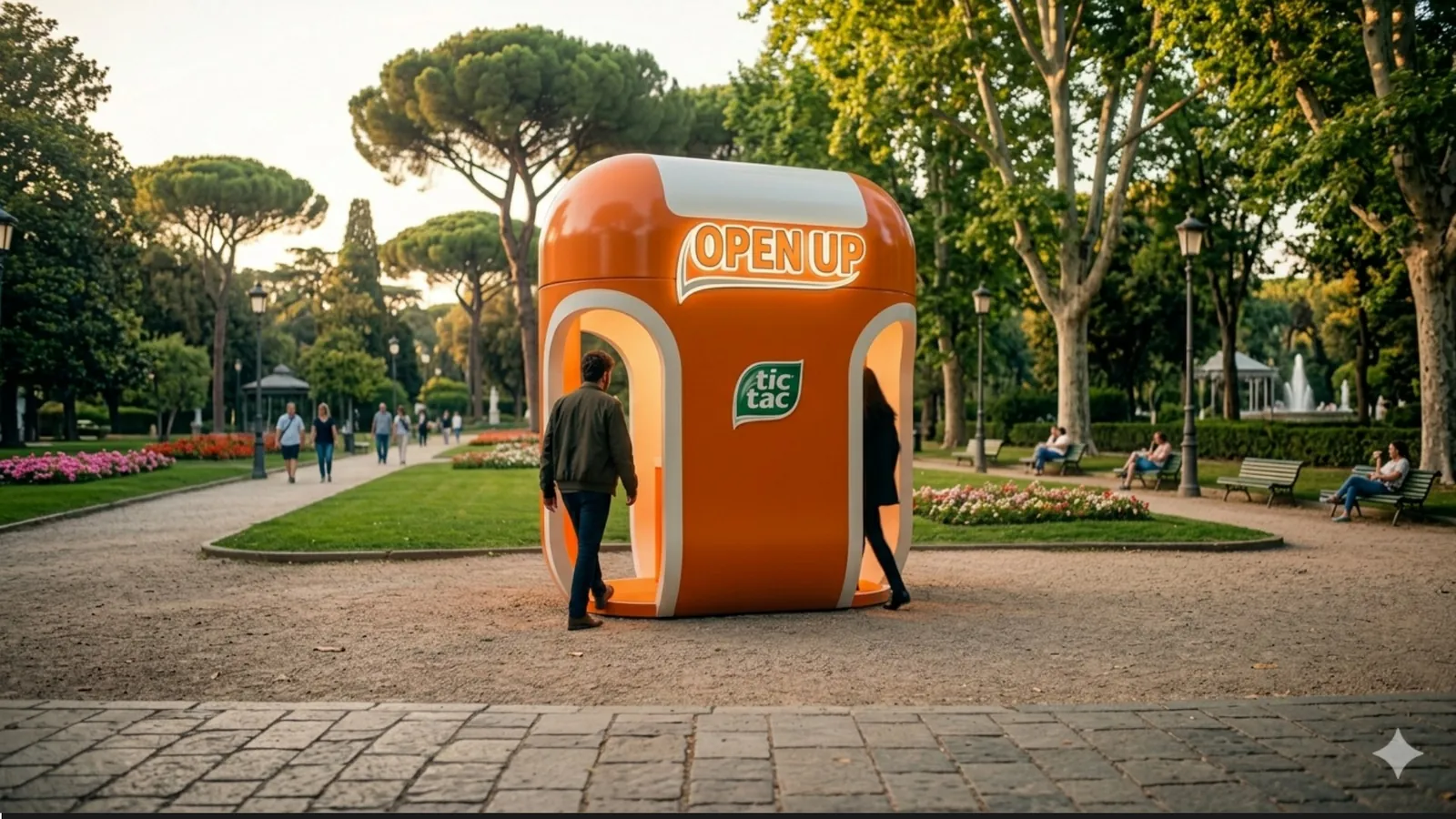
Don't be a stranger puts real, unscripted encounters at its centre, and the Open Up booth gives that moment a physical place. The click-clack is the sound of someone deciding to begin.
Campaign: don't be a stranger
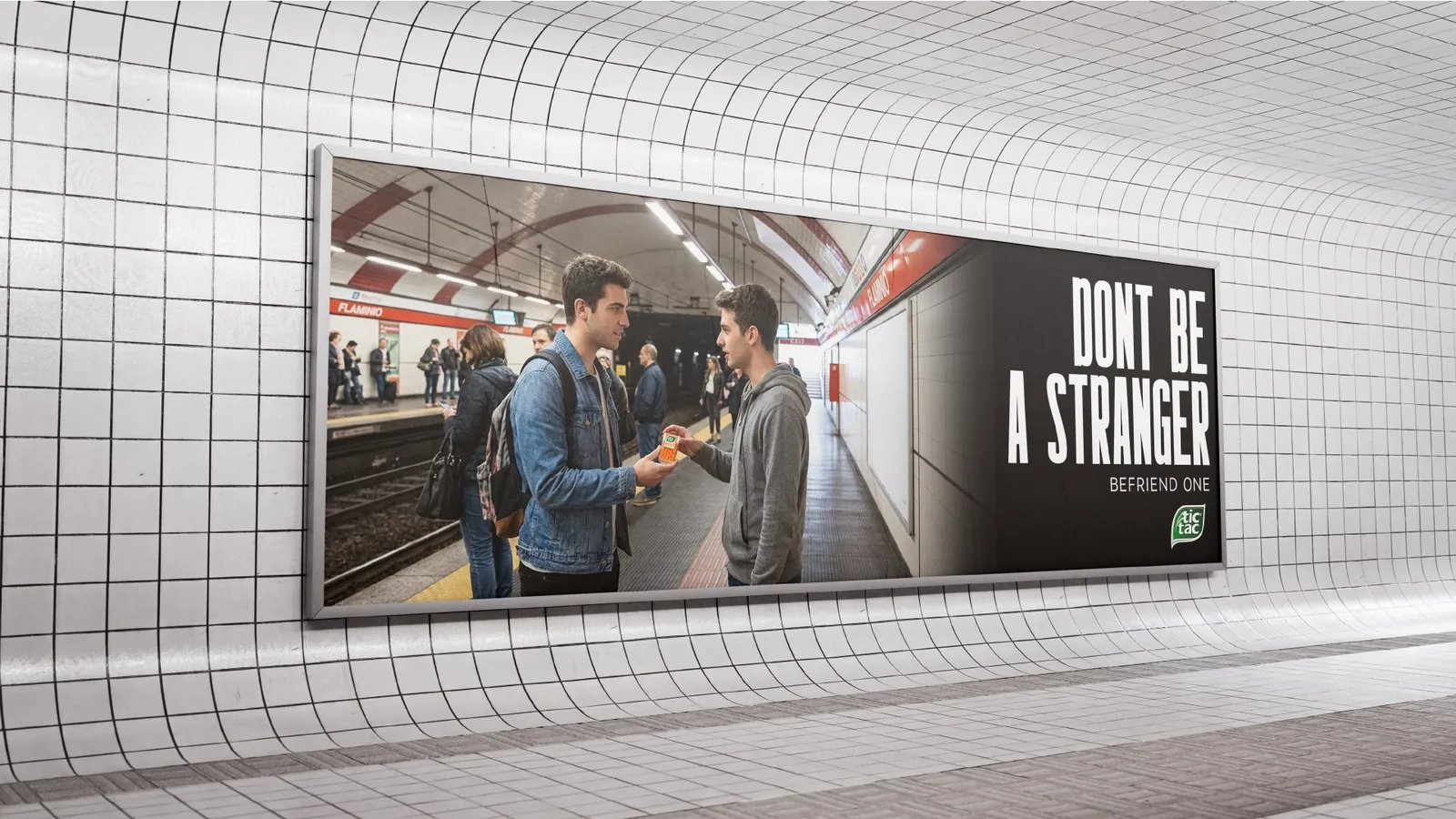
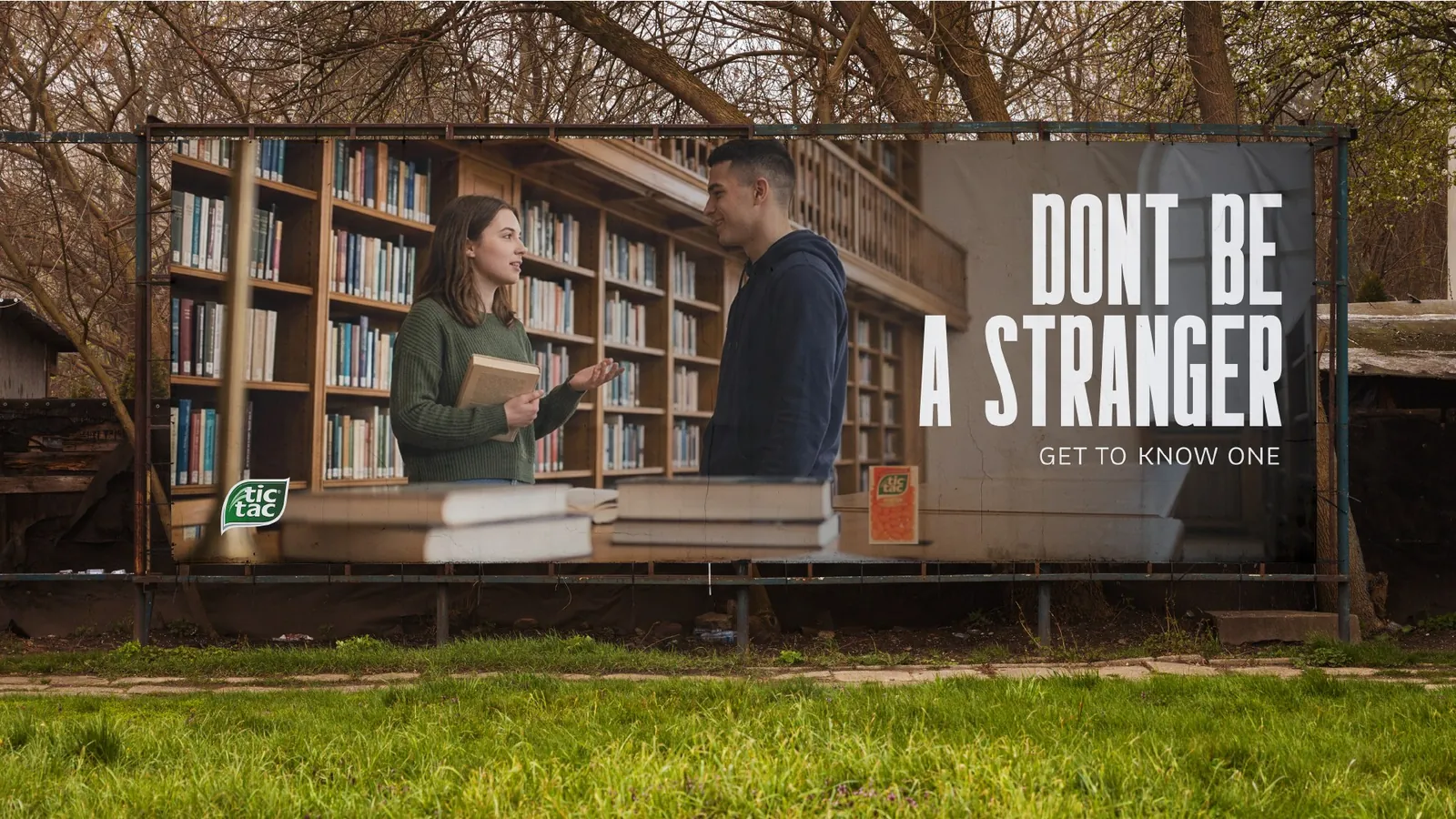
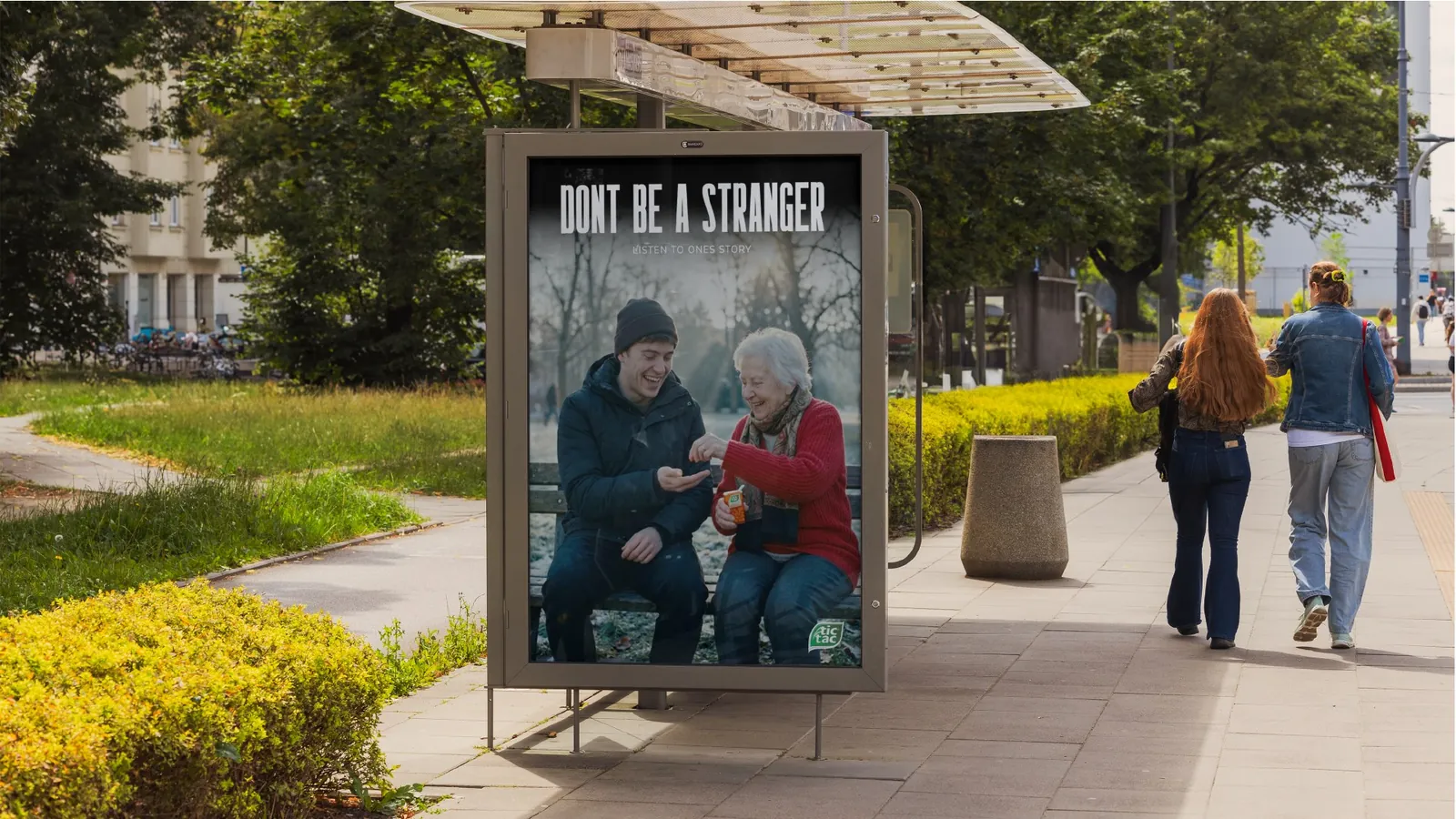
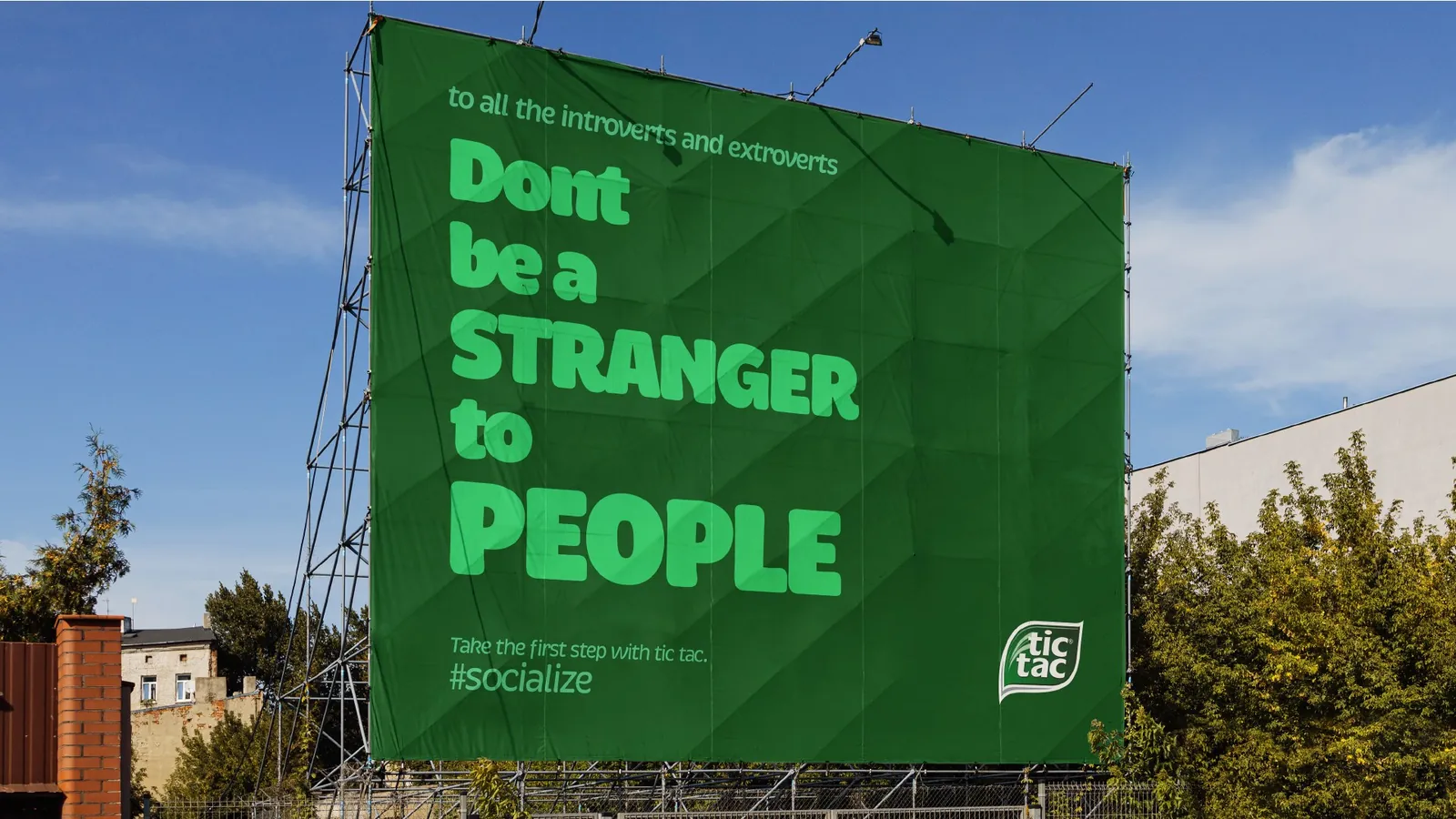
#socialize
"Open Up" booths in parks and malls. Two strangers sit inside and talk without seeing each other. If they hit it off, they share it with #socialize.
Market opportunities
The loneliness economy
Loneliness is increasingly treated as a public health issue, not a passing trend. Brands that support human connection honestly, without turning it into a gimmick, earn long-term trust.
Empty emotional territory
The deliberate, personal-ritual corner belongs only to clinical brands: Nicorette, Fisherman's Friend, Listerine strips. None of them carries warmth, playfulness or cultural identity. That distance is the opportunity.
Every generation
Human connection matters as much at 18 as at 55, so the idea needs no separate messages for separate age groups.
Experiences people share
Physical activations get photographed, discussed and written about. The Open Up booth is built for that, and the brand benefits even when the product isn't in the shot.
Gifting and new formats
The idea can grow the range, not just the advertising: share packs meant to be given away, give-one displays at the checkout, limited editions with conversation-themed packs.
A gap that's hard to copy
The brands nearest this space can't follow. Nicorette can't be a conversation starter; Fisherman's Friend can't be a permission to begin. Their own identities keep them out.